

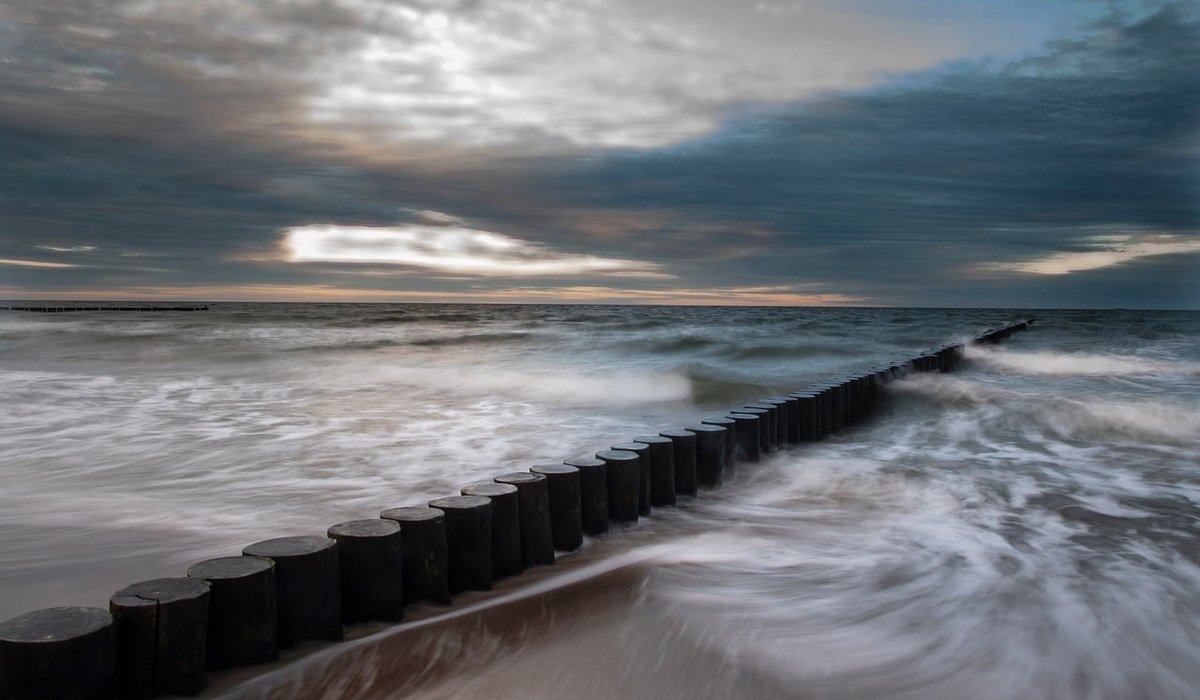
There's a moment every UK surfer chases: you paddle out on a crisp morning, the wind blowing gently from the land, and the waves stand up taller and cleaner than the forecast suggested. That's the magic of an offshore wind. But those same breezes that groom perfect peaks can also turn a fun session into a struggle for survival. Understanding how offshore winds work — and when to trust them — is one of the most valuable skills you can develop as a surfer in Britain.
Why Offshore Winds Matter
In the UK, our best swells usually arrive from the Atlantic, marching eastwards towards our west-facing coasts. The prevailing winds, however, tend to blow from the south-west. That means we often surf in onshore or cross-shore conditions, which can make waves choppy and soft. An offshore wind — blowing from the land out to sea — opposes the swell. Instead of knocking the wave down, it lifts the lip, holds the face open, and delays the break. The result is a steeper, faster, more defined wave. For beach breaks, reefs, and points alike, a light offshore can be the difference between closeout mush and a running wall.
The Anatomy of a Groomed Wave
When an offshore wind meets a swell, it creates a delicate balance. The wind pushes against the incoming wave's face, preventing it from breaking until it reaches shallower water. This can create a longer ride, a more predictable section, and even hollow barrels. But the effect depends on the swell's period and direction. A long-period groundswell from a distant storm will feel the offshore more evenly, producing cleaner lines. A short-period windswell, on the other hand, may become too steep and fast, closing out quickly. The tide also plays a part: a pushing tide can soften the offshore's effect, whilst a draining tide can make waves pitch harder and faster.
Not All Offshores Are Created Equal
Strength and direction are everything. A gentle 5 to 10 knot offshore is the surfer's friend. It grooms without hindering. But once you push past 15 knots, the wind starts to hold the wave up too much. Waves may never break properly, or they may break in the wrong place, creating dangerous ledges. A strong offshore can also make paddling out exhausting, as you fight the wind on the way out and get pushed back towards the beach. Direction matters too: a wind that is offshore for one beach can be cross-shore or even onshore for another, depending on the coastline's orientation. Always check the wind direction relative to the swell and the specific spot.
The Hidden Risks of Offshore Conditions
Offshore winds bring real dangers that are easy to underestimate. The most obvious is being blown out to sea. If the wind picks up while you're in the water, you may find yourself drifting rapidly offshore, unable to paddle back against it. Cold air also plays a role: an offshore breeze often originates from cold land, and wind chill can quickly lead to hypothermia, even in summer. Then there's the issue of hold-downs. Offshore winds can hold waves up longer, meaning a wipeout can keep you under for precious seconds. On rocky reefs or heavy beach breaks, this increases the risk of injury. Finally, offshore winds can create deceptive lulls. You might paddle out in a gentle breeze, only for a gust to hit and turn the session into a battle. Always have an exit plan and know your limits.
- Being blown out to sea: A sudden increase in wind can carry you away from shore faster than you can paddle.
- Cold air and wind chill: Offshore breezes often come from cold land, accelerating heat loss even on sunny days.
- Increased hold-downs: Waves held up by offshore winds can break in shallower water, keeping you under longer.
- Deceptive lulls: A calm start can turn into a strong gust, catching you off guard.
Reading the Forecast Before You Paddle Out
Good forecasting is your first line of defence. Before any session, check three things: wind speed, wind direction, and swell direction. Look for wind speeds under 12 knots for a manageable offshore. Use weather forecasts that give hourly wind data, and pay attention to gusts — a 20-knot gust in an otherwise light offshore can ruin your day. Tide times are equally important. Many UK spots work best on a mid to high tide with a light offshore, whilst others turn on when the tide drains. Local buoys and webcams can confirm what's actually happening. And remember, forecast models are not perfect. A wind that is predicted to be 10 knots might be 15 at the beach. Always be prepared to change your plans.
Local Knowledge and Honing Your Eye
There is no substitute for time in the water. Learn how your local break reacts to different wind directions. Does a north-easterly groom the waves at your favourite reef, or does it create a dangerous side-shore chop? Talk to other surfers, watch the waves from the cliff, and note the signs: whitecaps offshore, spray blowing back, and a clean, lined-up horizon. In the UK, our coastline is incredibly varied. A wind that is offshore for a beach in Yorkshire might be onshore for one in Devon. Keep a log of your sessions, noting wind, tide, and swell. Over time, you'll develop an instinct for when the offshore is working with you — and when it's time to stay on the beach.


Coding is used in almost all aspects of life and work now, be it directly or indirectly. It’s not just for companies in the tech sector. “An increasing number of businesses rely on computer code,
Coding is used in almost all aspects of life and work now, be it directly or indirectly. It’s not just for companies in the tech sector. “An increasing number of businesses rely on computer code,
Coding is used in almost all aspects of life and work now, be it directly or indirectly. It’s not just for companies in the tech sector. “An increasing number of businesses rely on computer code,