

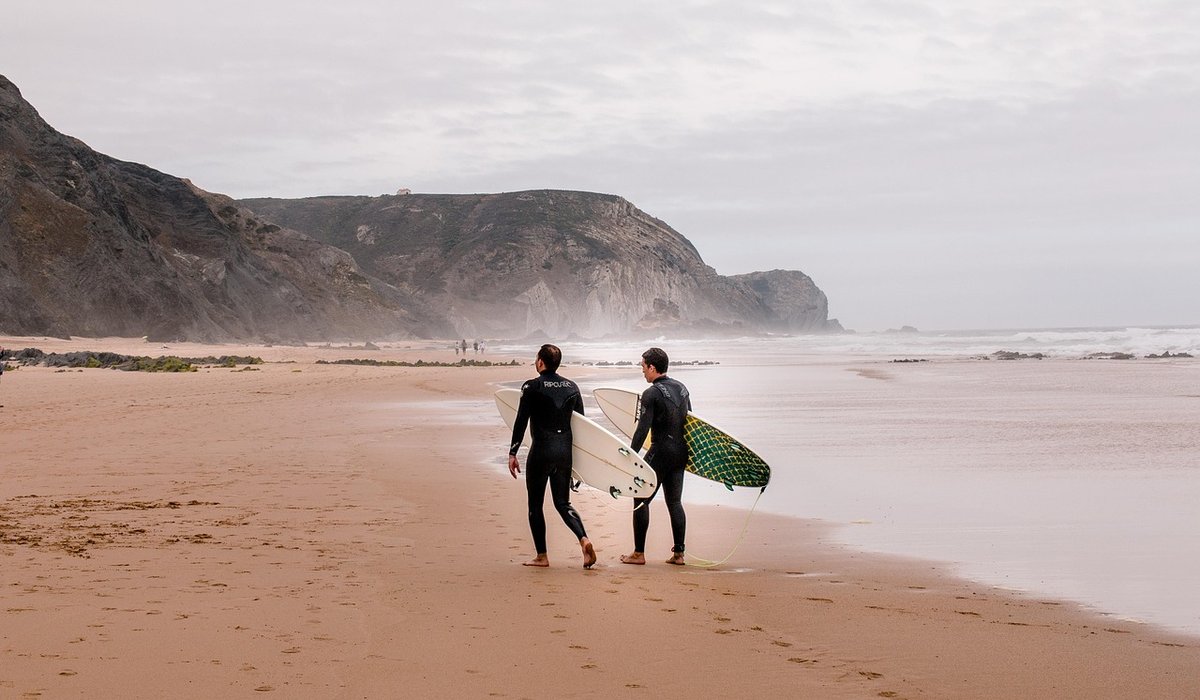
Why a Club Beats Paddling Out Alone
British surfing has a reputation problem: people picture cold water, grey skies and a long paddle into a close-out. The truth is far friendlier. Along almost every stretch of coast where waves break with any regularity, there's a club — usually a modest affair of a few dozen members who meet at a beach car park, share a flask of tea and know exactly which way the rip runs at mid-tide. That local knowledge is worth more than any forecast app.
Going it alone as a beginner is slow and, in the wrong conditions, genuinely risky. A club gives you three things at once: coaching, company and safety cover. You'll progress faster because someone is watching your pop-up and telling you why you keep burying the nose. You'll paddle out more often because there's a group chat asking who's free on Saturday. And you're far less likely to end up caught in a current you didn't know existed.
What a Well-Run Club Looks Like
Most UK clubs are run by volunteers, so standards vary. Before you hand over a membership fee, check a few basics:
- Coaching qualifications. Ask who leads the beginner sessions and what award they hold. A recognised surf coach qualification and a current beach lifeguard award are the baseline.
- Structured sessions. Good clubs run graded sessions — absolute beginner, improver, intermediate — rather than tipping everyone into the same water.
- Kit available. Many keep a rack of foam boards and winter wetsuits, which saves you spending several hundred pounds before you know whether you'll stick with it.
- Safety briefing. Every session should start with a look at the conditions, the rip, the exit points and a headcount of who's in the water.
- Buddy system. Nobody paddles out alone, whatever their level.
Junior and family sessions are a good sign too — clubs that invest in grommets tend to be well organised and patient with nervous adults.
Reading the Forecast Before You Commit
Part of joining a club is learning to read the sea properly. Surf forecasts give you swell height and period, wind speed and direction, and tide times; none of it means much until you connect it to a specific beach.
A few rules of thumb worth asking an experienced member about:
- Period matters as much as height. A long-period swell of 3ft can deliver more power than a short-period 5ft windswell.
- Wind direction is everything. Offshore winds groom the face; onshore winds turn it to mush. A beach that works in a south-westerly may be unsurfable in a northerly.
- Tide changes the break. Some spots only work on a pushing mid-tide; others need the last two hours of the drop.
- Shelter beats size. On a big day, a tucked-away bay can be half the size and twice as rideable as the exposed beach next door.
Once you understand how your local break responds to those variables, you'll stop wasting trips — and you'll see why the club meets at 7am rather than 11am.
Where the Clubs Are
Coastline coverage is patchier than you might expect, but there's usually something within an hour's drive.
- Cornwall and Devon. The densest network in the country, with clubs on both the north and south coasts. Expect competitive teams, junior programmes and year-round sessions.
- Wales. Strong scenes in Pembrokeshire, the Gower and around the Llŷn Peninsula, plus a growing number of adaptive and women-only groups.
- The North East. Clubs along the Northumberland and Yorkshire coasts are among the friendliest anywhere, and the winter swell is dependable.
- Scotland. From the Borders to the far north and the islands, clubs tend to be small, hardy and generous with advice about cold-water kit.
- East Anglia and the South Coast. Smaller scenes, though the south coast picks up plenty of swell and has a strong longboard and prone paddling community.
How to Make Contact
Clubs rarely advertise much. The quickest routes in are:
- Ask in the local surf shop or beach café — the staff usually know who is running sessions.
- Look for noticeboards at car parks and community halls near popular breaks.
- Search local community groups online using the beach name plus "surf club".
- Simply turn up on a Saturday morning and introduce yourself to whoever is carrying boards.
When you do make contact, ask directly about taster sessions, annual fees, whether kit is included, and what standard you need to be at. A good club will be honest if you're not yet ready for their main sessions, and will point you towards a beginner-friendly alternative rather than take your money.
Your First Session and Beyond
Arrive early, listen to the briefing and resist the urge to paddle straight out to the biggest set. Spend your first session learning the beach: where the current runs, where the rocks sit, how far the walk back is. Stay inside your limits, and if the club operates a flagged or supervised zone, stay within it.
After a few months you'll notice the real benefit — not just better surfing, but a standing invitation. Clubs always need volunteers for junior coaching, beach cleans and safety cover, and helping out is the fastest way to become part of the furniture. Bring a flask, learn the names, and you'll have a crew for every swell that comes through.


Coding is used in almost all aspects of life and work now, be it directly or indirectly. It’s not just for companies in the tech sector. “An increasing number of businesses rely on computer code,
Coding is used in almost all aspects of life and work now, be it directly or indirectly. It’s not just for companies in the tech sector. “An increasing number of businesses rely on computer code,
Coding is used in almost all aspects of life and work now, be it directly or indirectly. It’s not just for companies in the tech sector. “An increasing number of businesses rely on computer code,