

Why Balance Starts Before You Paddle Out
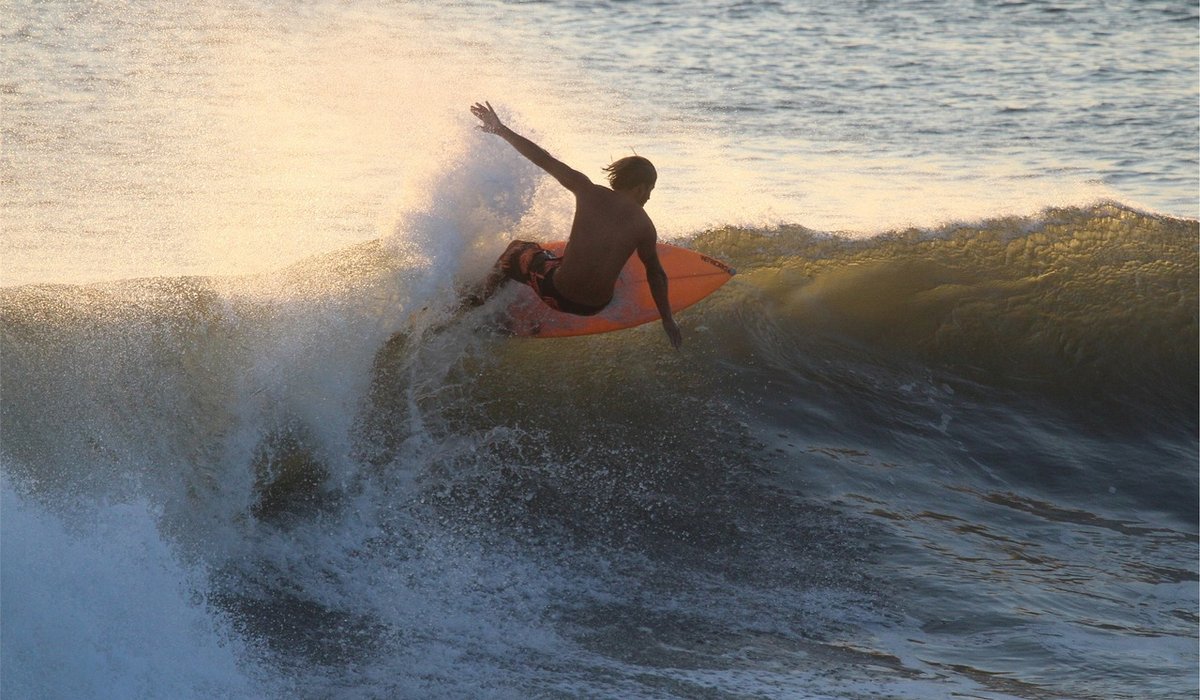
British surfing asks a lot of your body. Between the cold-water shock, the heavy wetsuit, and the choppy North Sea or Atlantic swell, your balance gets tested from the moment you duck-dive under a set wave. Yoga won’t magically add metres to your paddle, but it will sharpen the tiny adjustments your ankles, hips, and core make when you’re popping up on a bumpy wave. The goal isn’t to become a gymnast. It’s to reduce stiffness, improve proprioception, and build the kind of quiet stability that lets you react without overthinking. Whether you ride a longboard on a mellow Cornish point break or a shortboard on a fast reef in Scotland, a short daily practice pays off.
Three Foundational Poses for Board Stability
Start with these three poses. They target the ankles, hips, and deep core muscles that keep you centred when the water turns choppy.
- Warrior II (Virabhadrasana II): Stand with feet wide, turn your right foot out 90 degrees, left foot in slightly. Bend your right knee over your ankle, arms parallel to the floor. Hold for five breaths, then switch. This pose teaches you to ground through your feet while keeping your hips open — exactly what you need when shifting weight from rail to rail.
- Tree Pose (Vrksasana): From standing, place your right foot on your left inner calf or thigh (avoid the knee). Press the foot into the leg and the leg back into the foot. Fix your gaze on a still point. Hold for 30 seconds each side. Tree pose trains the micro-corrections your ankles make when you’re standing on a moving board.
- Chair Pose (Utkatasana): Feet together, bend your knees as if sitting back into a chair, arms overhead. Keep your weight in your heels. Hold for five breaths. This builds quad and glute strength for the low, coiled stance you use on a shortboard.
Sequences for Longboarders: Slow and Steady
Longboarding rewards patience, cross-stepping, and nose rides. Your balance needs to be smooth and deliberate, not twitchy. A flowing sequence helps you stay relaxed when you’re walking the board.
- Warrior III (Virabhadrasana III): From standing, hinge forward at the hip, lift one leg behind you until your body is parallel to the floor. Keep your hips level. Hold for five breaths. This mimics the weight shift you make when stepping towards the nose.
- Half Moon (Ardha Chandrasana): From Warrior II, place your front hand on the floor (or a block), lift your back leg parallel to the floor, and open your chest to the side. Hold for five breaths. It improves side-to-side balance, which is crucial when you’re trimming along a wave face.
- Eagle (Garudasana): Stand, bend your knees slightly, cross your right thigh over your left, hook your right foot behind your left calf. Cross your arms in front of you. Hold for five breaths. This pose challenges your balance in a tight, compact shape — great for those moments when you’re crouched on a longboard and the wave shifts.
Sequences for Shortboarders: Quick and Reactive
Shortboarding is all about fast reactions, low centre of gravity, and explosive turns. Your yoga should build core strength and the ability to recover from a wobbly landing.
- Boat Pose (Navasana): Sit with knees bent, lean back slightly, lift your feet so shins are parallel to the floor. Extend arms forward. Hold for five breaths. This fires up your deep abdominal muscles — the ones that keep you stable when you’re pumping down the line.
- Side Plank (Vasisthasana): From a plank, shift onto one hand, stack your feet, and lift your top arm. Hold for 30 seconds each side. This strengthens your obliques, which you use for sharp cutbacks and off-the-lip manoeuvres.
- Crow Pose (Bakasana): Squat, place hands on the floor, lean forward, and lift your feet towards your armpits. Hold for as long as you can. It’s a compact balance pose that trains your wrists and core for the sudden weight shifts of a shortboard snap.
Reducing Stiffness After a Cold-Water Session
UK water is cold. Even with a good wetsuit, your muscles tighten up after an hour in the sea. A gentle post-surf sequence helps you recover and stay loose for the next session.
- Cat-Cow (Marjaryasana-Bitilasana): On hands and knees, alternate between arching and rounding your spine for ten slow breaths. It releases tension in your back after paddling.
- Standing Forward Fold (Uttanasana): Feet hip-width, hinge forward, let your head hang. Bend your knees as much as you need. Hold for 30 seconds. This stretches hamstrings and calves, which get tight from popping up.
- Pigeon Pose (Kapotasana variation): From hands and knees, bring your right knee forward behind your right wrist, extend your left leg back. Stay upright or fold forward. Hold for one minute each side. It opens hip flexors that stiffen from sitting on a board.
Building a Daily Practice
You don’t need a 90-minute class. Ten minutes a day, four times a week, will make a noticeable difference. Focus on slow breathing — in through the nose, out through the mouth — because that’s what keeps you calm when a set wave is bearing down on you. Warm up dynamically before you surf (arm circles, leg swings, gentle squats), and save the deep stretches for after your session. If you’re new to yoga, start with the foundational poses and hold them for shorter times. As your balance improves, you’ll find you’re not just steadier on the board — you’re also less stiff when you paddle out into a chilly British morning.


Coding is used in almost all aspects of life and work now, be it directly or indirectly. It’s not just for companies in the tech sector. “An increasing number of businesses rely on computer code,
Coding is used in almost all aspects of life and work now, be it directly or indirectly. It’s not just for companies in the tech sector. “An increasing number of businesses rely on computer code,
Coding is used in almost all aspects of life and work now, be it directly or indirectly. It’s not just for companies in the tech sector. “An increasing number of businesses rely on computer code,