

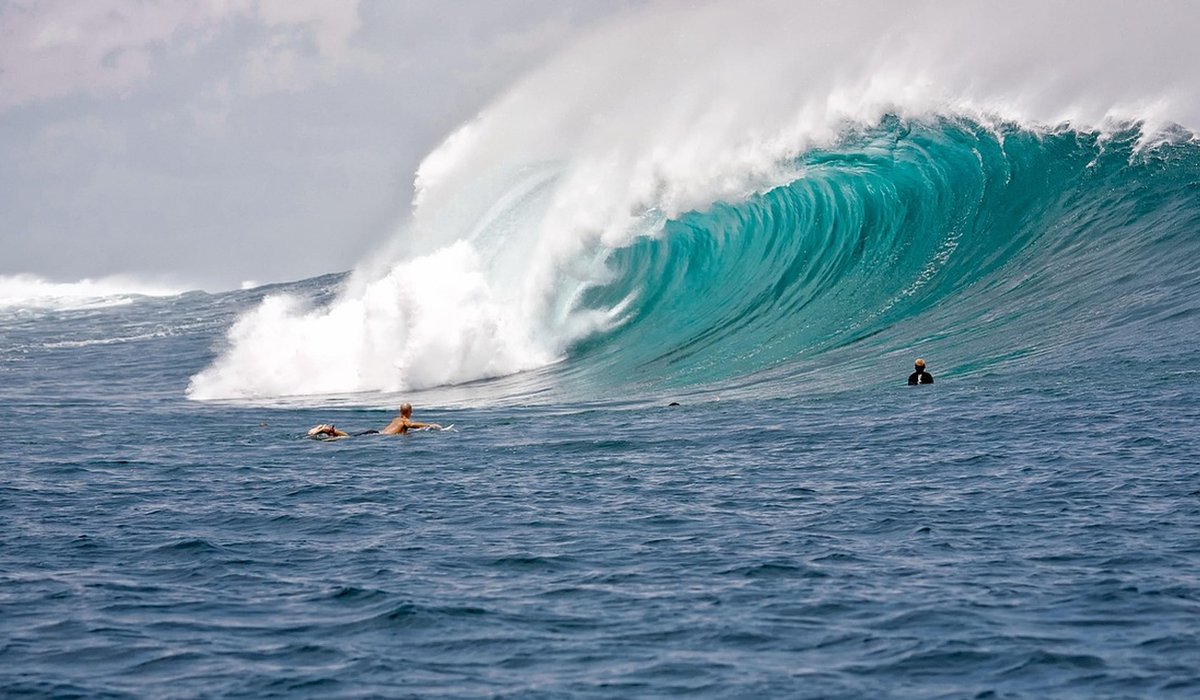
Get Out of the Wind Before You Do Anything Else
The ten minutes after you leave the water often do more to shape how you feel for the rest of the day than the session itself. Wet skin, a stiff onshore and fumbling fingers are a bad combination, so make the exit as quick and as sheltered as you can. Park so the boot of the car faces away from the prevailing wind, lay a mat down, and have your changing robe or a big towel within arm's reach before you paddle out — not buried under three bags.
A flask of hot water in the car is the single best winter habit you can build. Pour it into booties and gloves and they slip off in seconds instead of five minutes of hopping and swearing. Keep a second bottle of warm water for rinsing hands and feet. Aim to be dry, dressed and in the front seat within ten minutes of leaving the water. If there is an outdoor shower at the beach, use it to rinse your suit rather than to stand under.
Warm Up Slowly, Not All At Once
The temptation is to crank the heater to full or jump straight into a scalding shower. Resist it. After a cold session, core temperature can keep falling for twenty to thirty minutes as cold blood from your limbs returns to the centre of your body. That is why people sometimes shiver hardest on the drive home. Warm up gradually instead.
- Dry thoroughly first — head, armpits, groin and feet lose heat fastest when wet.
- Layer up in this order: thermal base, fleece, windproof shell, hat, dry socks.
- Sip something warm rather than gulping it, and let the car warm to comfortable rather than tropical.
- Keep moving gently — walk about, unpack the kit — rather than sitting still and stiffening up.
Pins and needles as your fingers come back are normal. White, waxy skin that stays numb, uncontrollable shivering, slurred speech or confusion are not — that needs proper warming and, if it does not improve, medical help.
Refuel and Rehydrate Properly
Cold water is energetically expensive. Shivering alone can burn through a surprising number of calories, and you will often finish a winter session far hungrier than you expect. You also lose fluid — you still sweat under a hooded suit, and cold weather makes you urinate more, so thirst is a poor guide.
Within an hour of getting out, aim for something with carbohydrates and a little protein. A flask of soup and a sandwich, a banana with oatcakes, malt loaf, or a bowl of porridge works well. If you are shaky and cold, start with a hot drink containing sugar, then eat properly once you have stopped shivering. Leave the big meal for later in the day.
One warning worth repeating: alcohol is a terrible warmer. It opens the blood vessels in your skin, which feels lovely for ten minutes and then speeds up heat loss. Save the pint for when you are properly warm and fed.
Look After Your Skin
Salt, cold and neoprene seams are hard on skin, and the damage tends to show up hours later rather than immediately. Rinse off in lukewarm — not hot — water, pat dry rather than scrubbing, and moisturise within a few minutes while your skin is still slightly damp. A fragrance-free, thicker cream is better than a thin lotion in winter.
- Pay attention to the neck, behind the knees, under the arms and anywhere a seam rubs — these are the classic wetsuit rash spots.
- A barrier cream applied before you get in dramatically reduces chafing at the neck and under the arms.
- Use a lip balm and a face moisturiser with sun protection; windburn and low winter sun both take a toll.
- Dry your ears properly. Cold water trapped in the ear canal is a common cause of sore, aching ears the next morning.
- If you get chilblains — itchy, red, swollen fingers or toes appearing hours later — warm them gradually. Do not rub or put them straight against a radiator.
Sort Your Kit, Save Your Next Session
Damp neoprene left in a cold car overnight is unpleasant to put on and shortens the life of the suit. Rinse your wetsuit in fresh water, inside and out, then hang it in the shade — never on a radiator, which cooks the seams and stiffens the neoprene. Turn booties and gloves inside out and let them dry somewhere with airflow.
While you are at it, check the seams, zips and cuffs. A small nick or a worn seam lets in a cold flush on the next swell, and a five-minute repair now is far cheaper than a new suit. Keep a spare dry hat and a pair of gloves in the car; they have rescued more sessions than any forecast has.
The Rest of the Day Matters Too
Recovery is not just the first hour. Ease off intense training for the rest of the day, take a walk, do some gentle stretching, and have a bath that is warm rather than scalding. Sleep is the real recovery tool, and a cold session followed by a good night is far kinder to your body than one followed by a late night.
Then plan the next one sensibly. Read the forecast for air temperature and wind chill as carefully as you read the swell — a clean two-foot wave on a still, sunny morning is worth more than a pumping session in a freezing offshore gale. Shorten your sessions when it is genuinely bitter, take the flask, get changed out of the wind, and winter surfing becomes something to look forward to rather than endure.


Coding is used in almost all aspects of life and work now, be it directly or indirectly. It’s not just for companies in the tech sector. “An increasing number of businesses rely on computer code,
Coding is used in almost all aspects of life and work now, be it directly or indirectly. It’s not just for companies in the tech sector. “An increasing number of businesses rely on computer code,
Coding is used in almost all aspects of life and work now, be it directly or indirectly. It’s not just for companies in the tech sector. “An increasing number of businesses rely on computer code,